
First Job With No Experience: What Freshers Can Do Right Now
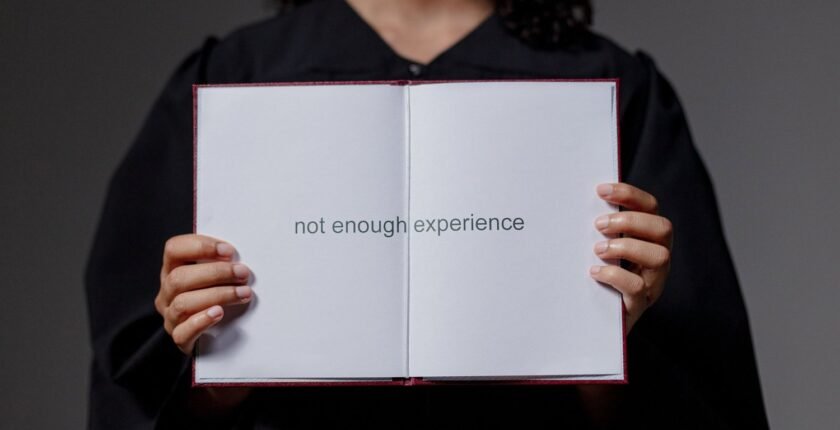
Finding your first job with no experience can feel like a trap. Employers ask for experience, but you cannot get experience without a job. Many freshers get stuck at this point and start to think that no one will hire them.
The good news is that this is not the end. Every working person had a first job once, and there are real steps you can take, even today. In this guide, I will show you how to find the right kind of jobs, how to use the skills you already have, how to build proof before you apply, and where to look. I will also share how to stay safe while you search.
Why Finding Your First Job Feels So Hard
Almost every fresher faces the same problem. A job post asks for one or two years of experience, but you have only just finished your studies. It is easy to feel that you are not good enough.
Here is something that may help. In many job posts, the experience line is more of a wish list than a strict rule. Employers also know that freshers do not have a work history, so they look at other things: your attitude, your willingness to learn, and whether you can do the basic work. Some companies even prefer to hire freshers, because they can train them in their own way.
So the real problem is usually not that you have no experience. It is that you have not yet shown what you can do. The next sections will help you with exactly that.
Start With Beginner-Friendly Jobs
Not every job is a good first job. Some jobs need years of skills, while others are made for people who are just starting. The easiest way to find the second kind is to look at the job title.
Search for words like entry level, trainee, junior, assistant, associate and fresh graduate. These jobs expect you to learn while you work.
Some fields are also known for hiring beginners, because the work can be learned quickly:
- Customer service: answering questions and helping customers
- Sales: talking to customers and selling products
- Data entry: typing and organizing information
- Accounts: simple records and bookkeeping
- Office work: reception, admin help and coordination
- IT support: basic technical help
Do not wait for a perfect job. Your first job does not have to be your dream job. Its main purpose is to give you real experience, new skills and someone who can speak well of your work. After some time, it becomes much easier to move to a better job.
Is hissa mein 5 shobon ke naam hain (customer service, sales, data entry, accounts, IT), jin par hum aakhir mein apne purane articles ke internal links lagayenge.
How to Build Experience Before You Get a Job
When you have no work history, proof is what makes an employer trust you. Proof means something real that shows what you can do. The good part is that you can create it before you even get a job.
Here are some simple ways to do it:
- Volunteer. Offer your time to a local group, a school, or a small business. Even a few weeks of real work is worth writing on your CV.
- Do an internship. Many companies take interns, and some internships lead to a full job. Ask your university, your teachers, or seniors who have worked there.
- Make a small project. If you want an office job, make a clean spreadsheet. If you like writing, write a few short articles. If you like design, make a few samples.
- Take a free online course. Finish it and add it to your CV. It shows that you are serious about learning.
- Help someone you know. Helping a family shop with its records or social media page also counts as real experience.
Keep a short note of what you did, what the result was, and what you learned. You will use these notes in your CV, in your cover letter, and when an employer asks, “Tell me about yourself.”
Get Your CV and Cover Letter Ready
Once you have your skills and some proof, put them on paper. A clear CV and a short cover letter are often the first things an employer sees, so they matter a lot for a fresher.
For your CV, keep it to one page. Start with a short summary, then add your education, your skills, and the projects, volunteer work or internships you have done. Use simple words, and change a few lines to match each job post.
A cover letter lets you explain what your CV cannot. In a few short paragraphs, say why you want the job and what you can bring to it, even without work history. Write a new one for every job, and always read it again before you send it.
If you need help, read my guide on how to write a CV for freshers and my guide on how to write a cover letter for freshers with no experience.
Where to Look for Jobs
Once your CV is ready, it is time to start looking. Do not depend on only one place. Use a few of them at the same time.
- Job websites: Check the entry-level and fresher sections, and set up job alerts so that new posts reach you.
- LinkedIn: Make a simple profile, add your education and skills, and follow companies you like. You can also send a polite message to recruiters.
- People you know: Tell your family, friends, teachers and seniors that you are looking for work. Many first jobs come from a simple recommendation.
- Your university: Ask your career office or department about job fairs, internships and companies that hire its students.
- Local places: Small offices, shops and training centres often hire without posting online. A polite visit with your CV can help.
Apply to many jobs, not just one or two. Keep a small list of where you applied and on which date, so you can follow up politely after a week or so.
Prepare for the Interview
Once you start applying, interviews will follow. A fresher can do very well in an interview with a little preparation.
- Learn about the company. Find out what it does and what the job involves.
- Practice common questions. Be ready for “Tell me about yourself” and “Why should we hire you?” Answer with real examples from your studies, projects or volunteer work.
- Be on time. Reach a few minutes early and dress neatly.
- Be honest. If you do not know something, say that you are ready to learn it.
- Say thank you. A short thank-you message after the interview leaves a good impression.
Interviewers do not expect a fresher to know everything. They want to see that you are polite, ready to learn and serious about the job. For a full guide, read how freshers can prepare for a job interview.
Avoid Job Scams While You Search
Sadly, some people take advantage of job seekers, and freshers are often their target because they are new and eager to start. Be careful if an offer asks you to pay money for an interview, training or the job itself, if it promises very high pay for easy work, or if the company only talks to you through chat and has no proper website or address.
Before you share your personal details or send any money, check the company yourself. Look for its official website and call the number listed there. A real employer pays you to work and does not take money from you.
For more warning signs, read how to spot a fake job offer.
Frequently Asked Questions
Can I get my first job with no experience?
Yes. Many companies hire freshers and train them. Look for entry-level roles, show your skills and projects, and keep applying.
Should I apply if the job post asks for experience?
Yes, if you meet most of the other requirements. The experience line is often a wish list, so a good CV and cover letter can still get you noticed.
Is it okay to take a low-paying first job?
Yes, if the job is safe and teaches you useful skills. A first job is a stepping stone, and real experience will help you get better jobs later.
How long does it take to find a first job?
It is different for everyone. Some people find one quickly, and others take longer. Keep improving your CV, keep applying, and do not give up after a few rejections.
Final Thoughts
Finding your first job with no experience takes time, but it is possible. Start with what you already have: your education, your skills and your willingness to learn. Build some proof, make a clear CV and cover letter, look in more than one place, and stay careful while you search.
Do not feel bad if you get rejected a few times. Every working person started at the same point as you. Keep going one step at a time, and your first job will come.
Pingback: LinkedIn Profile for Freshers: Step-by-Step Guide
Pingback: Skills for Freshers: What Employers Want and How to Show It